
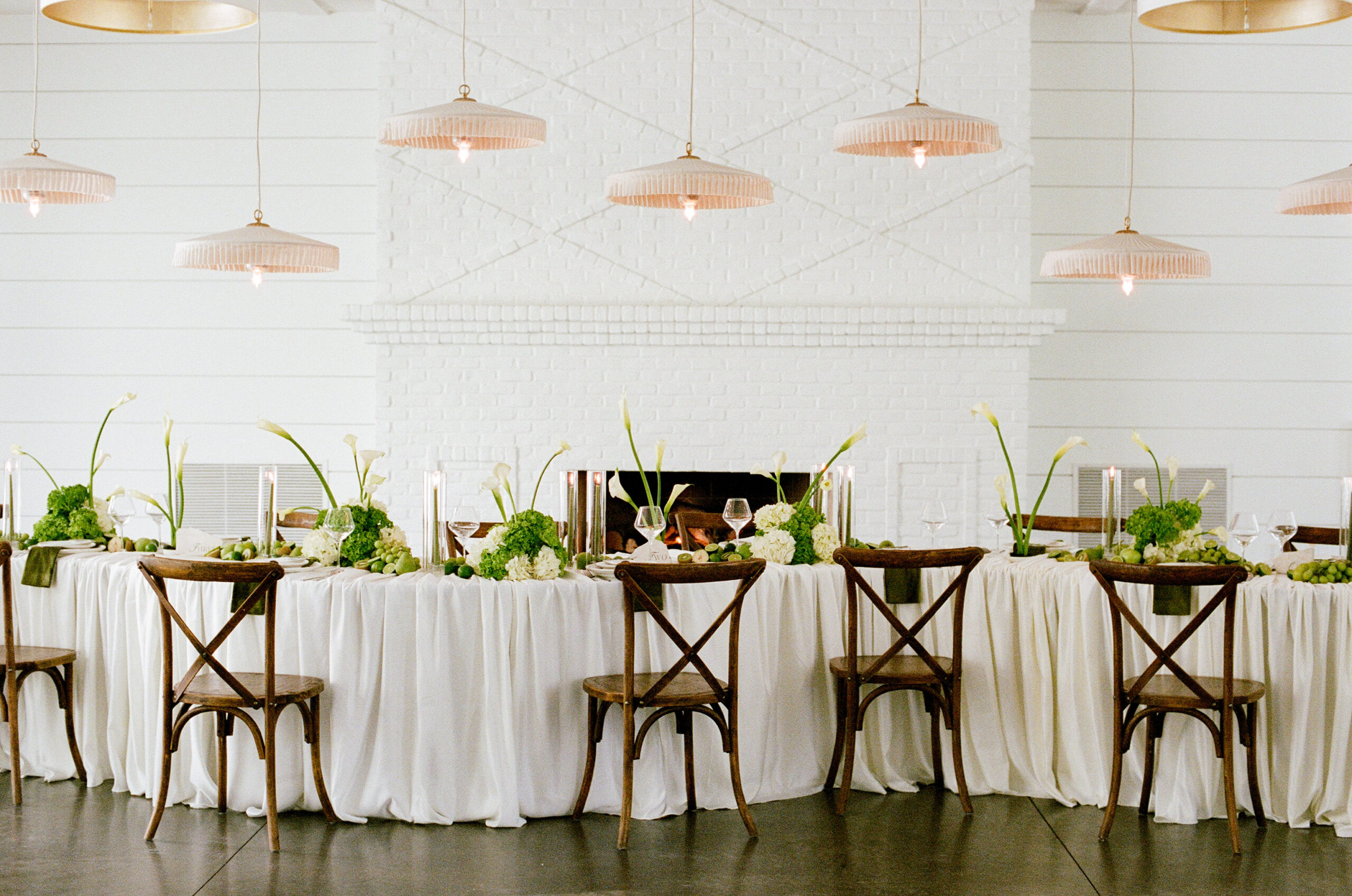
Film wedding photography has become a hit in the wedding industry. In this blog post I aim to discuss why I believe film has become popular in weddings, and what film actually is.
In an age of AI and powerful iPhone cameras we strive to see something “real”. Since film photography was one of the first types of photography it is what our grandparents and great grandparents had at their weddings. I am typing this from a Gen Z perspective where we have pretty much always had digital photography. And since Gen Z is getting married now they strive for something that feels a little less digital age.
When I asked my parents for a film camera for my birthday in 2021 they thought I was insane. I simply wanted to expand my craft. What I didn’t know is that it would lead me down a rabbit hole of gear and expenses. I started out by using film just for personal work and travel. Once it became re-popularized in the wedding industry, clients started to ask me to do film at their weddings.
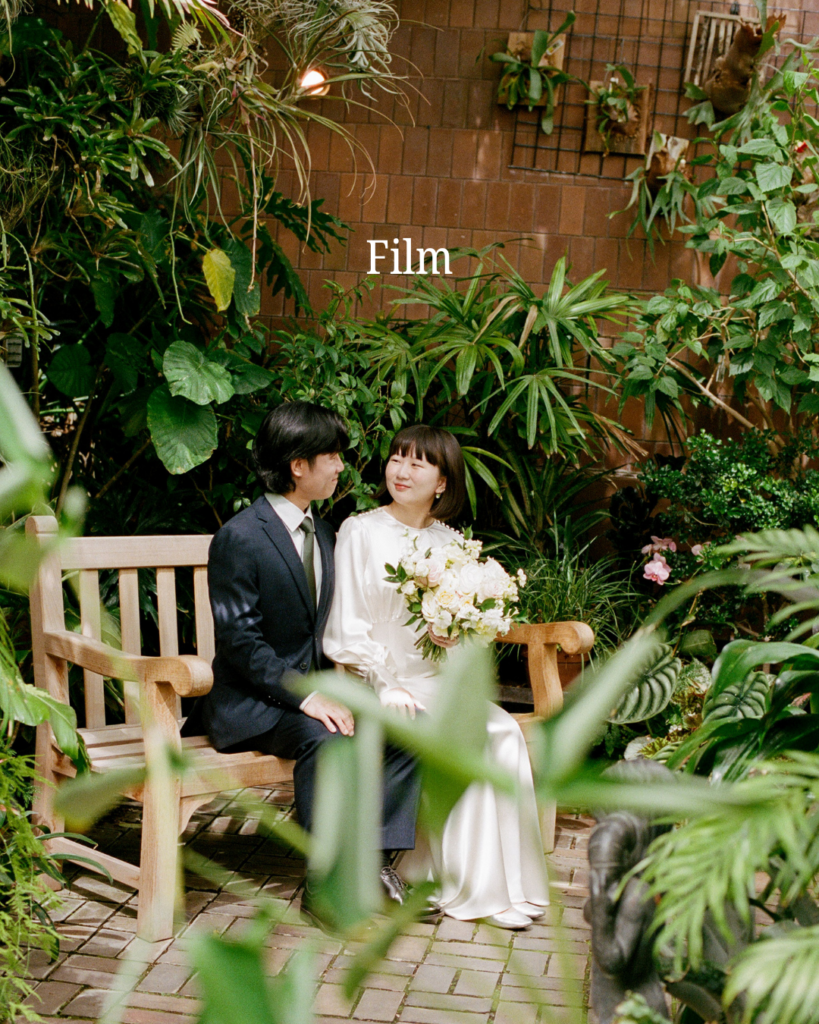
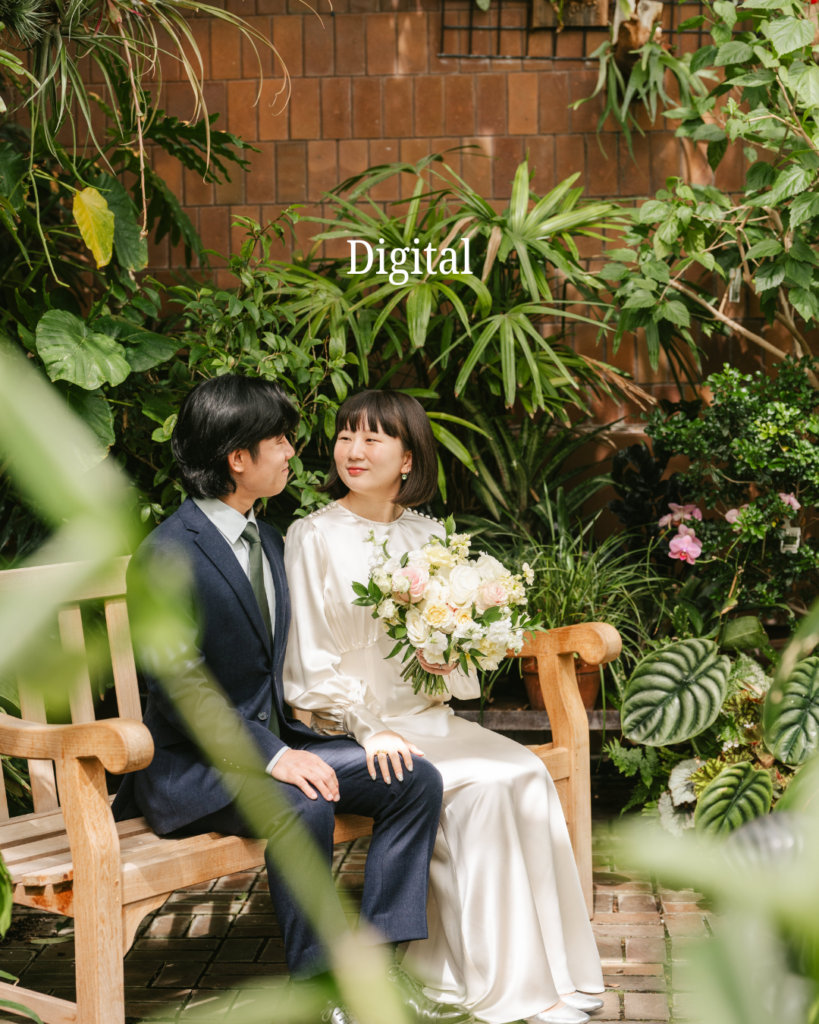
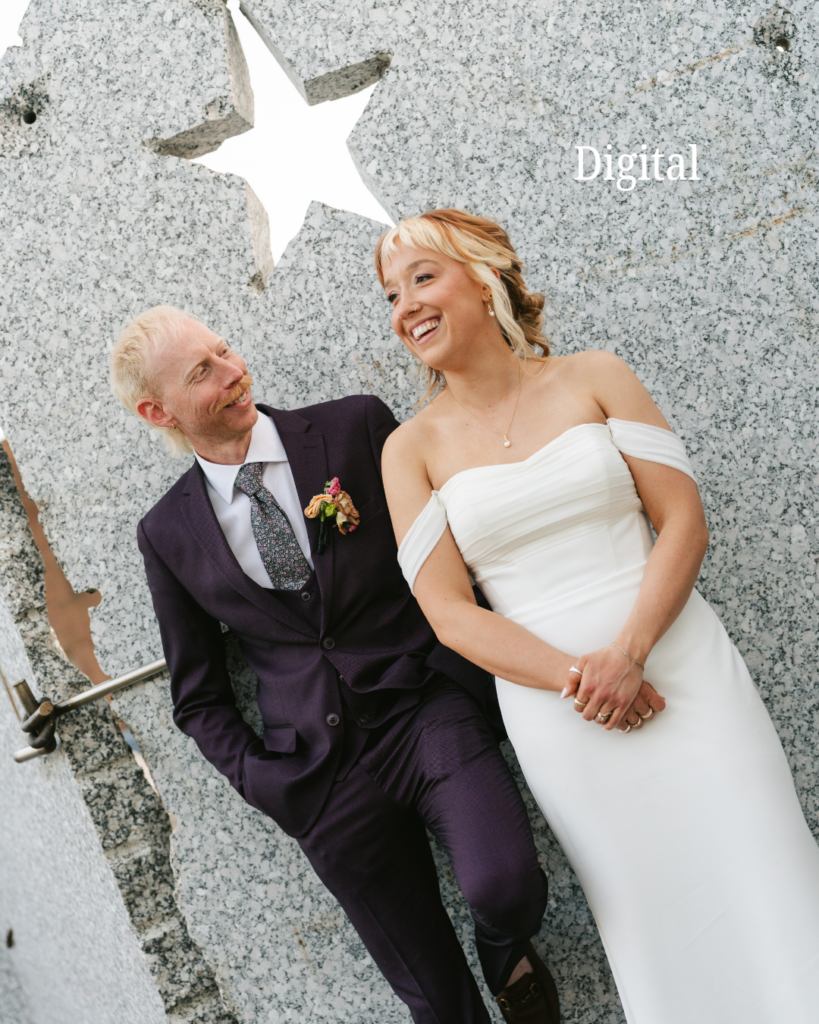
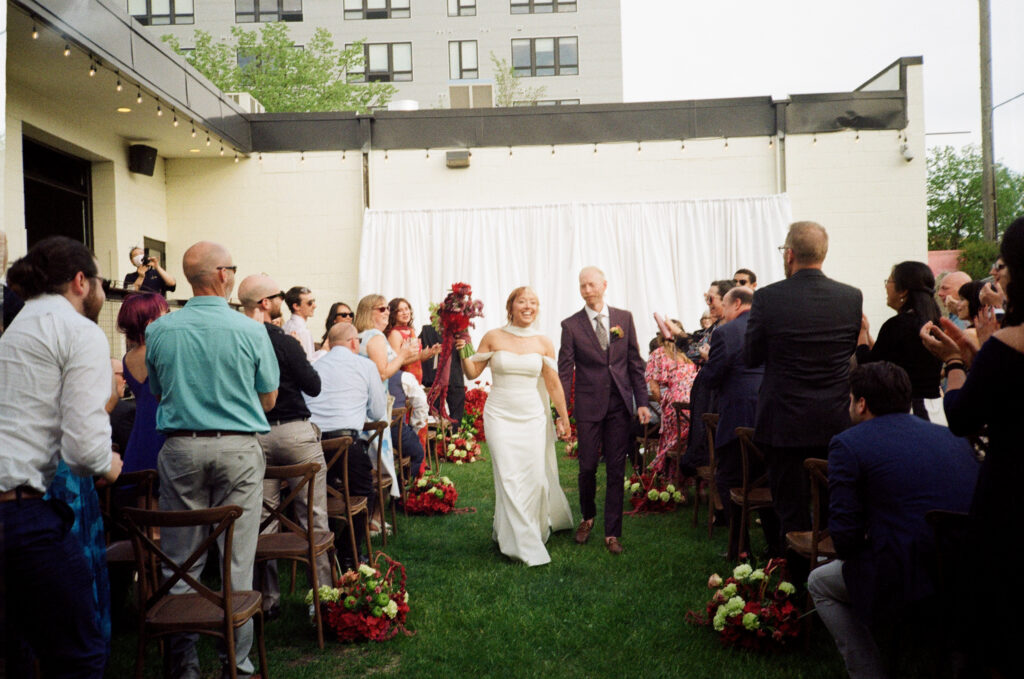
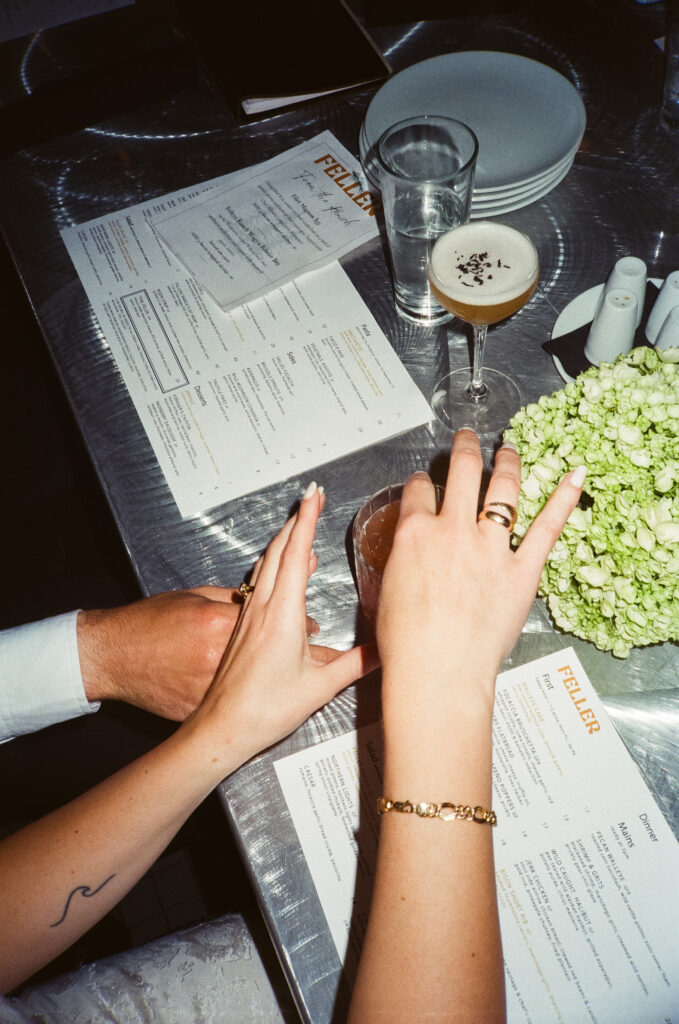
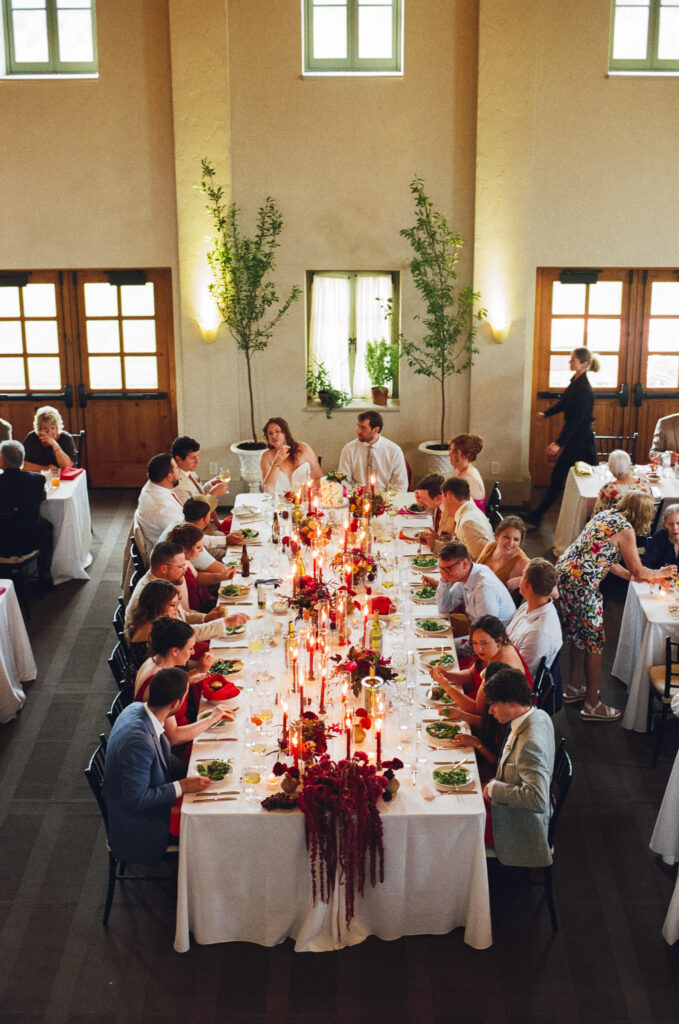
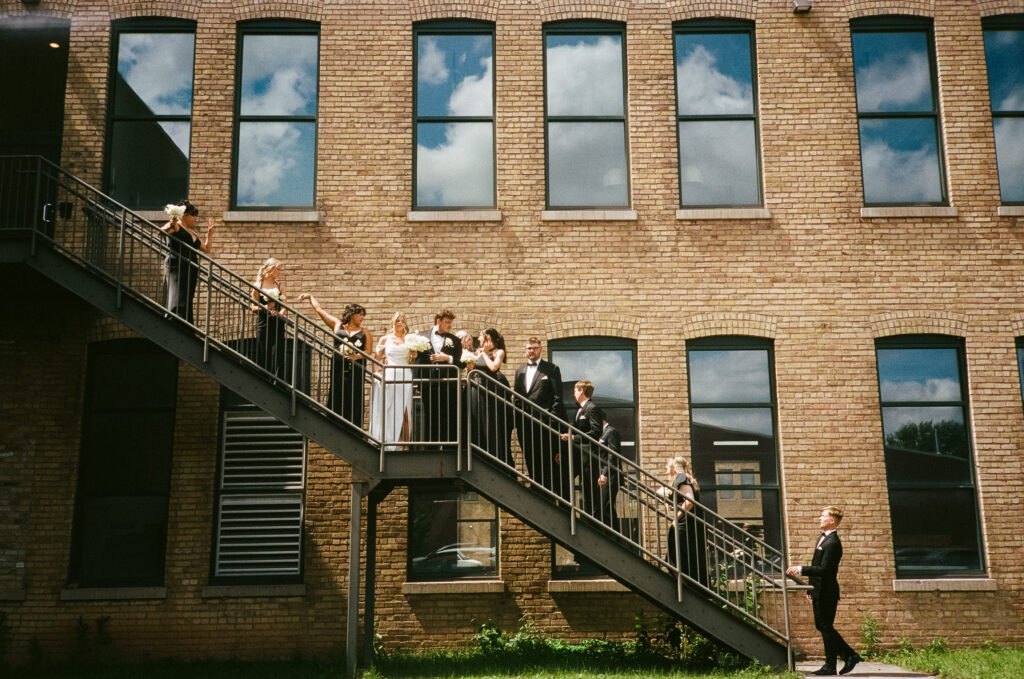
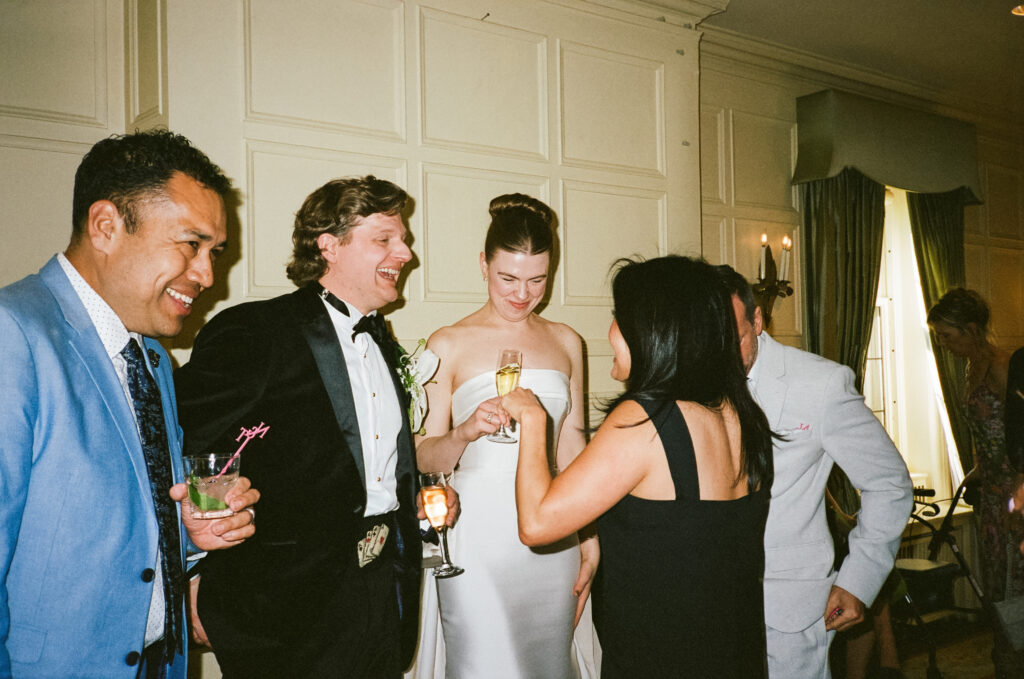
When you hear the word “film” as a style of wedding photography, it means capturing moments with light sensitive rolls of material to capture images. There are many presets out there that try to emulate the look of film photography. Real film is a tangible item. When the shutter is clicked on a film camera light and shadows enter the lens it causes a chemical reaction. The film rolls are brought to a lab to be developed and scanned. Below are examples of digital vs film wedding photography.
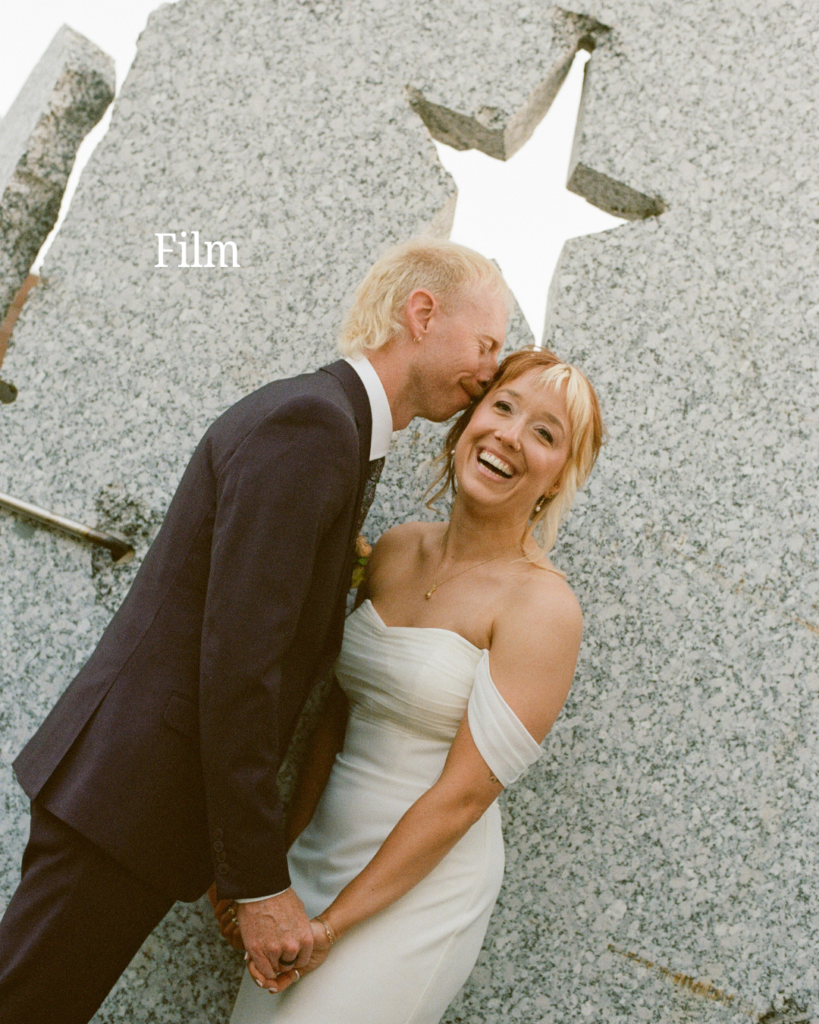
Different Types of Film
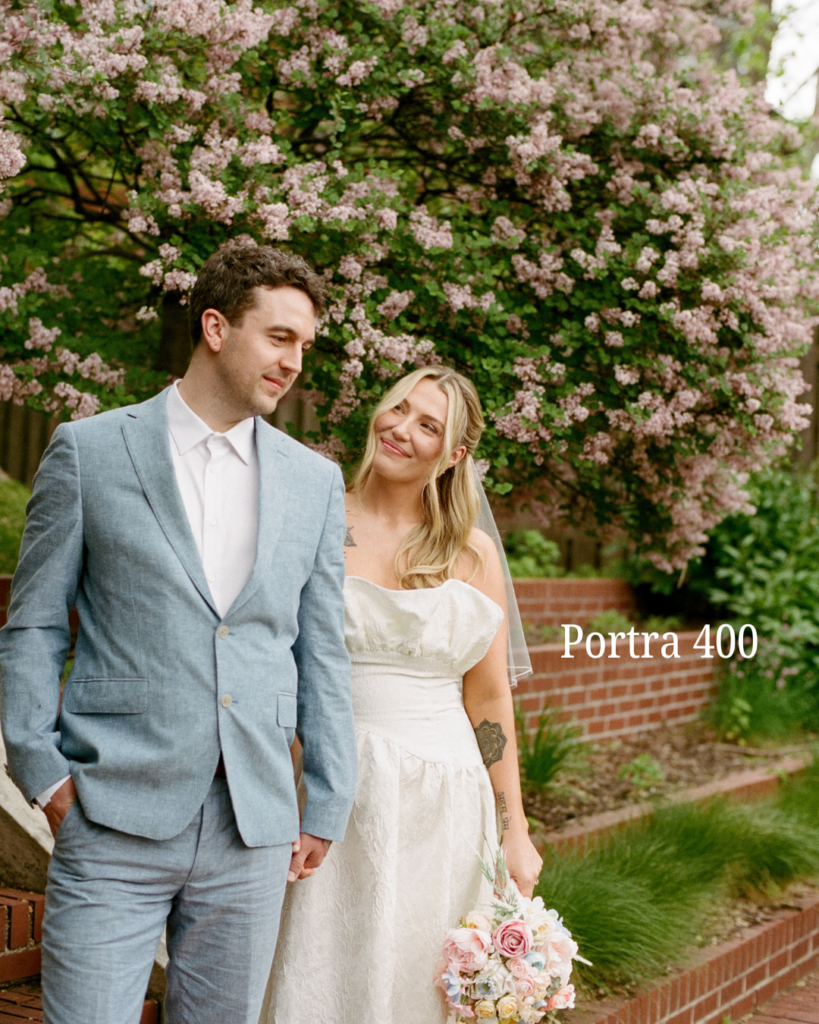
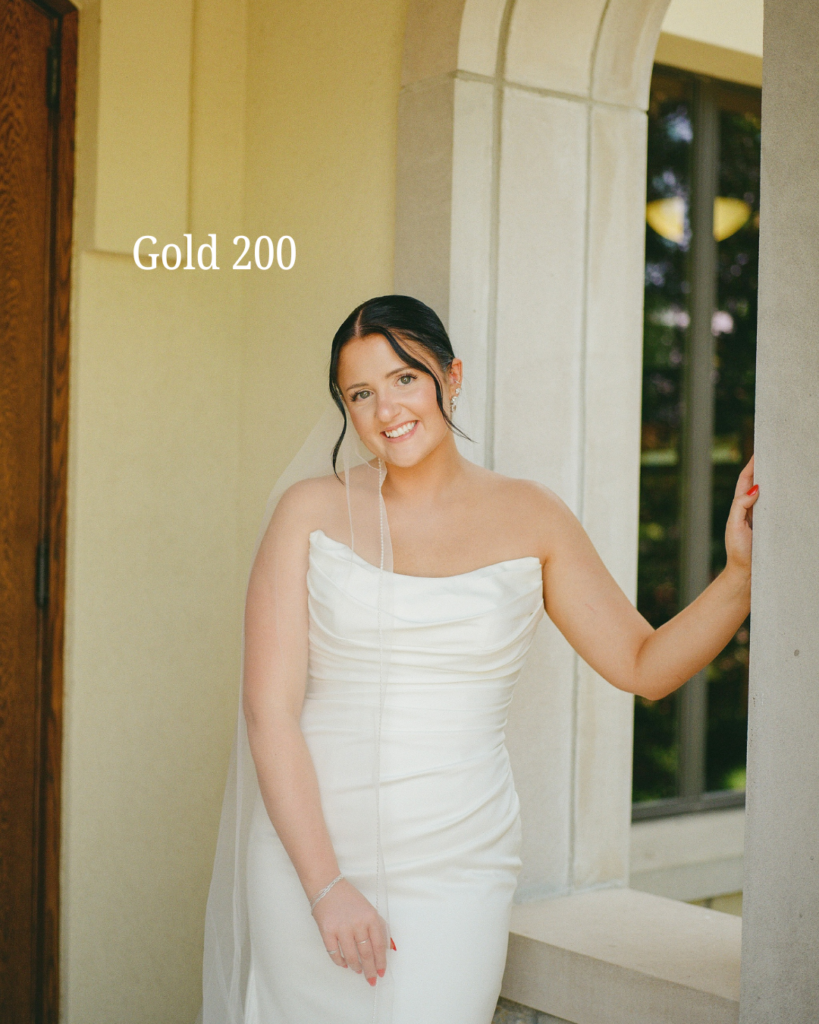
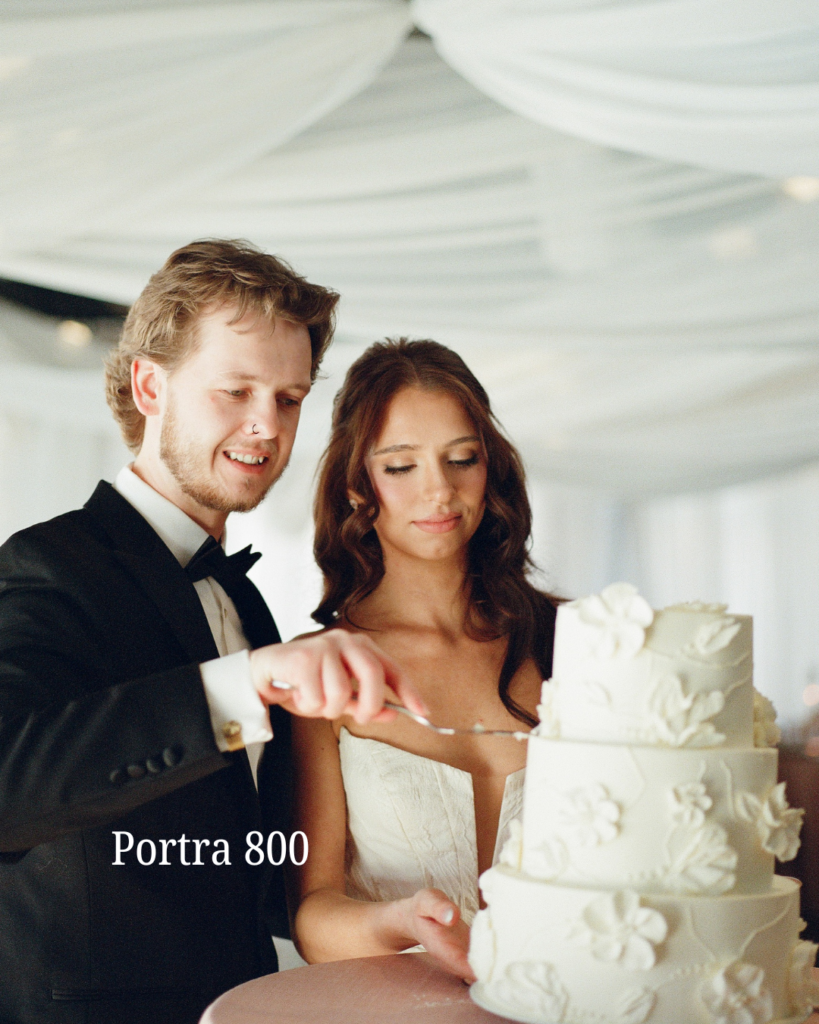
The type of film chosen can also affect the look of an image. There a different formats and different brand types, all affecting the colors of the image. Most wedding photographers choose Porta 400. It creates the most true to life tones and colors. In my work I like to use a mix of different kinds of film for different purposes.

Different Types of Cameras
I explained earlier that there are different formats of film. There is 35 mm film which is what you imagine when you think of a film roll. Then there is 120 film. This is a larger “megapixel” then 35 mm. Even though it is a larger megapixel, you only get 16 shots per roll. Whereas with 35 mm you get anywhere between 35-37 images per roll.
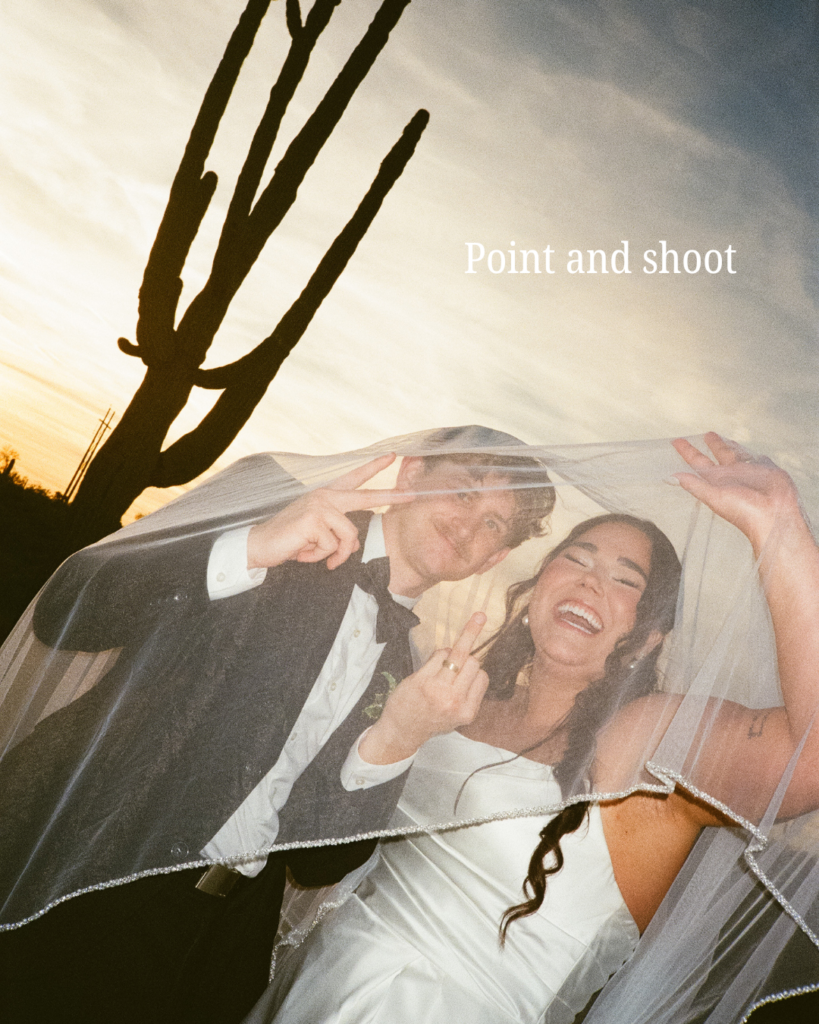
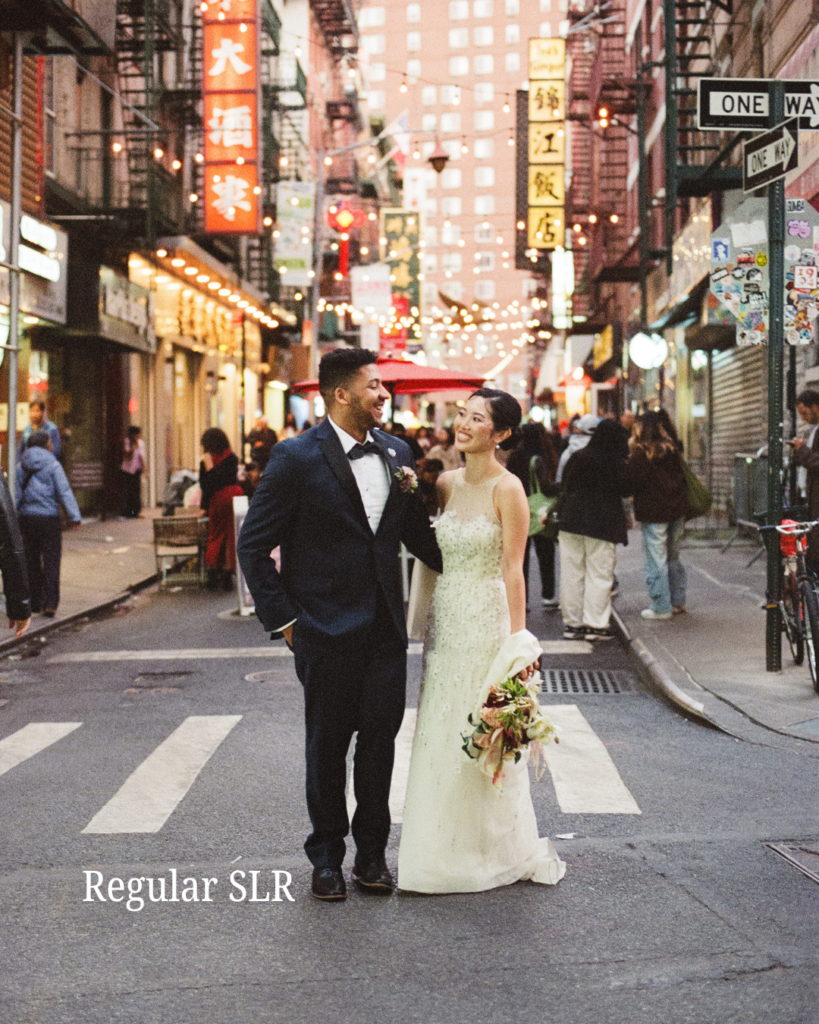
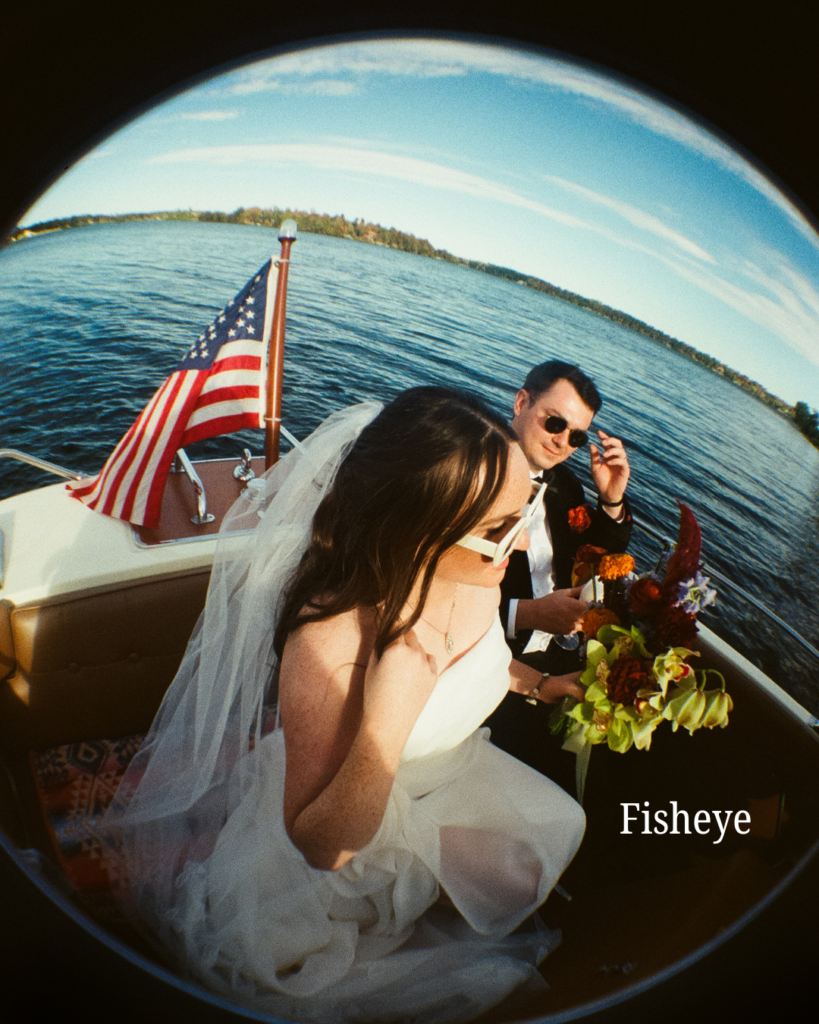
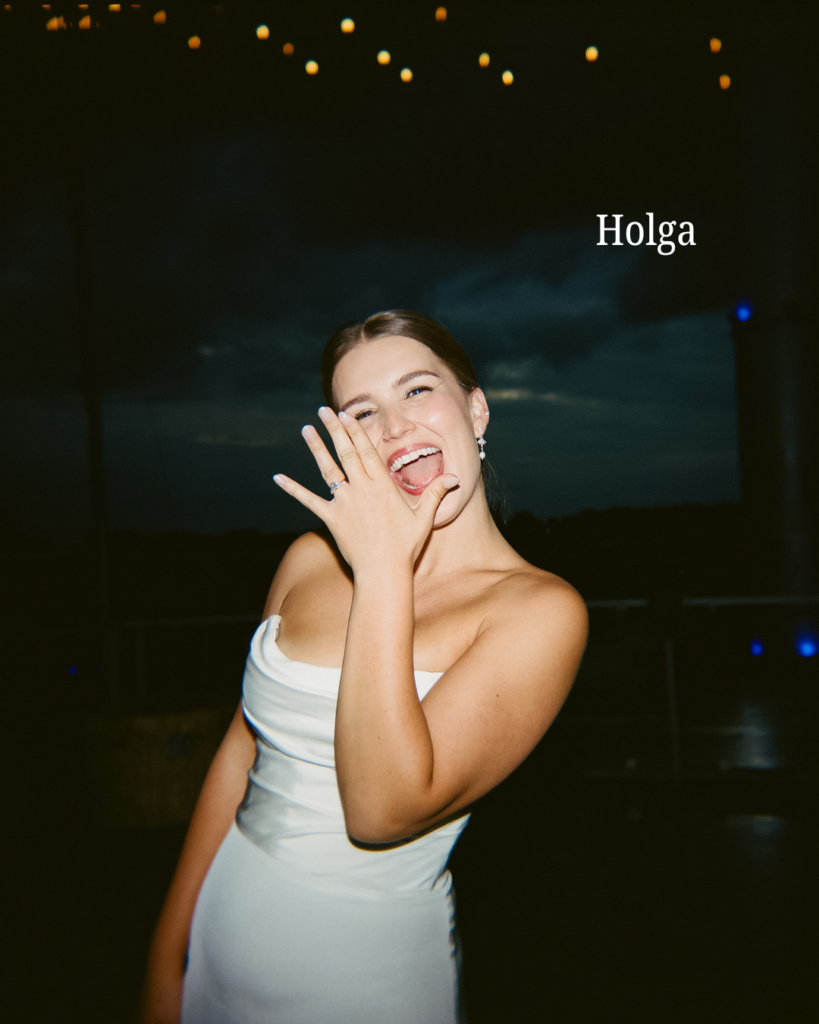
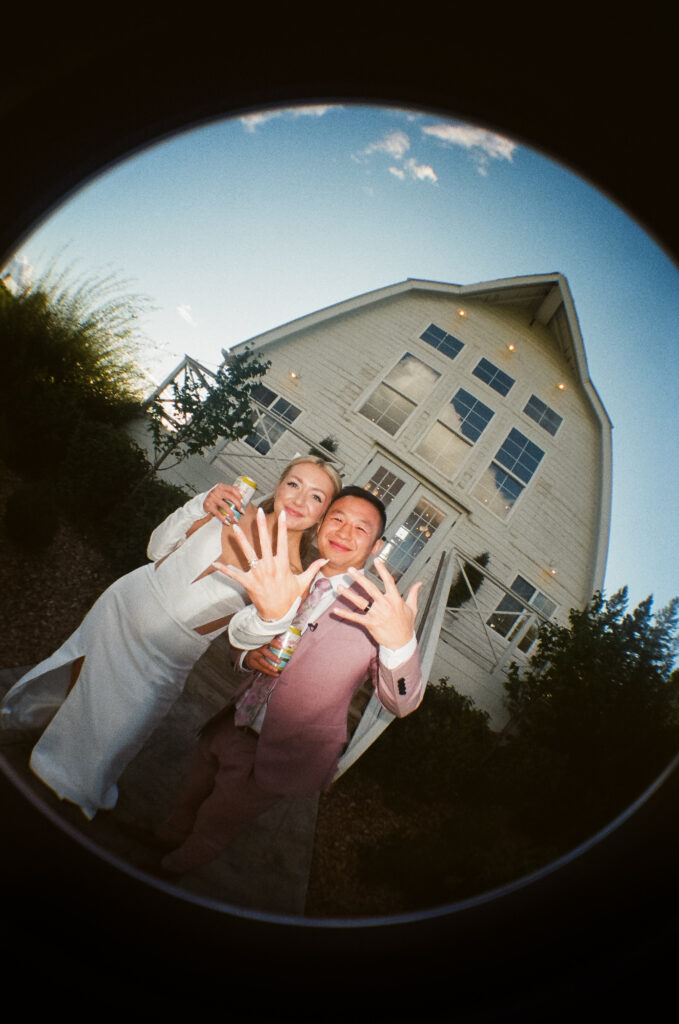
The camera I use most often is my single lens reflex Nikon F100. This camera was released right before the DSLR (digital single lens reflex) camera was made. Therefore it creates pretty crisp and clean images. Another camera that I love to use at weddings is my rangefinder point and shoot. This is exactly what it sounds like – I point it and take a photo. The focusing on the camera is very simple, and it has a flash already on the camera making for very easy use. Lastly are toy cameras. I own two toy cameras, a Lomography Fisheye and a Holga. Both cameras were around fifty dollars but create very unique images.
Double Exposures in Film Wedding Photography
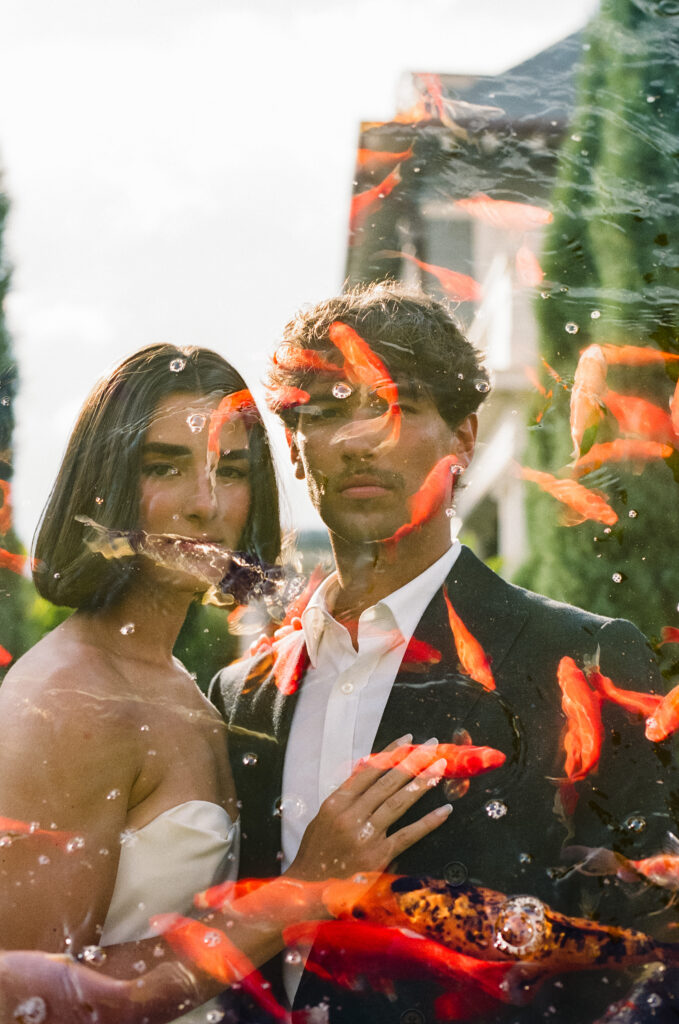
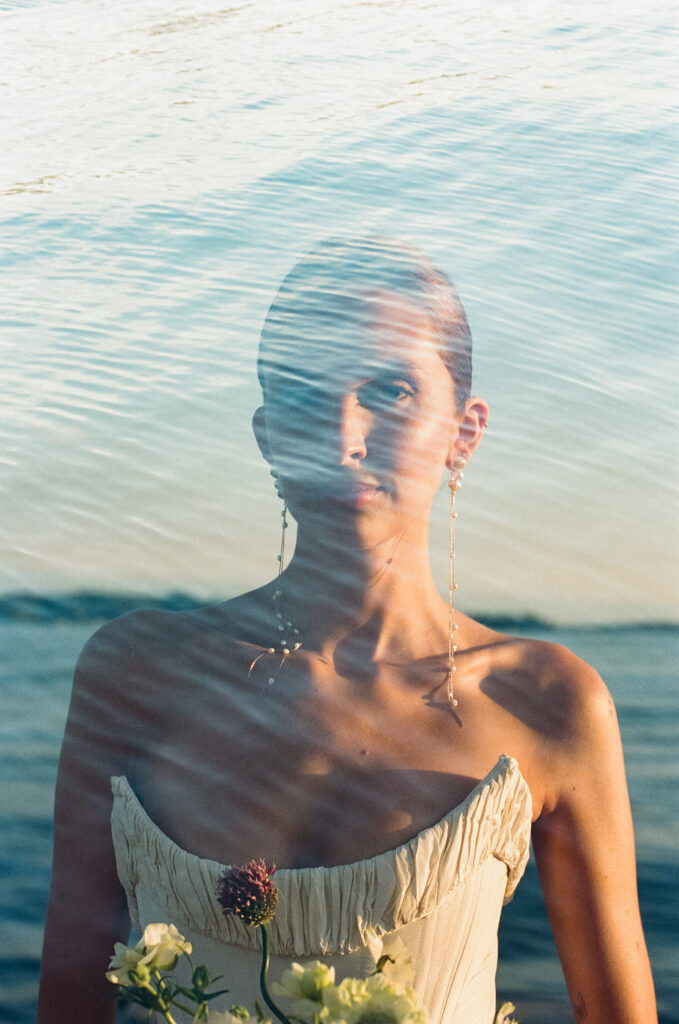
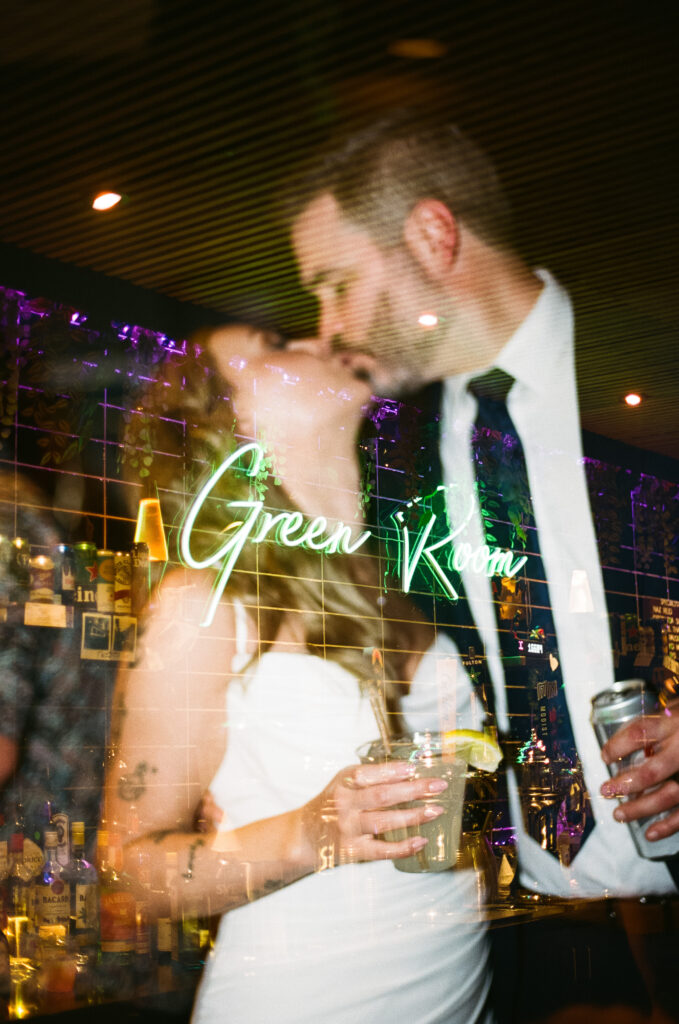
One of my most requested styles of photography are double exposures. I really didn’t get into double exposures until I purchased my Nikon F100 about a year ago. On this camera the film advances automatically after I take an image. But there is a setting that will stop automatically advancing the film, allowing me to expose it twice. Hence double exposure.
Another easy way to create a double exposure is having a camera where you manually advance the film. The Holga camera is a prime example of this. You have to spin the dial on the right side of the camera to advance the film. To take a double exposure, simply don’t advance the frame.
I like to use double exposures in my film photography as an artistic tool. You can create a unique portrait, or create a vibe. It has taken a lot of trial and error to get double exposure photography down as I don’t have a screen to view the image I take. I still occasionally have some fails.
The Vibes of Film Wedding Photography
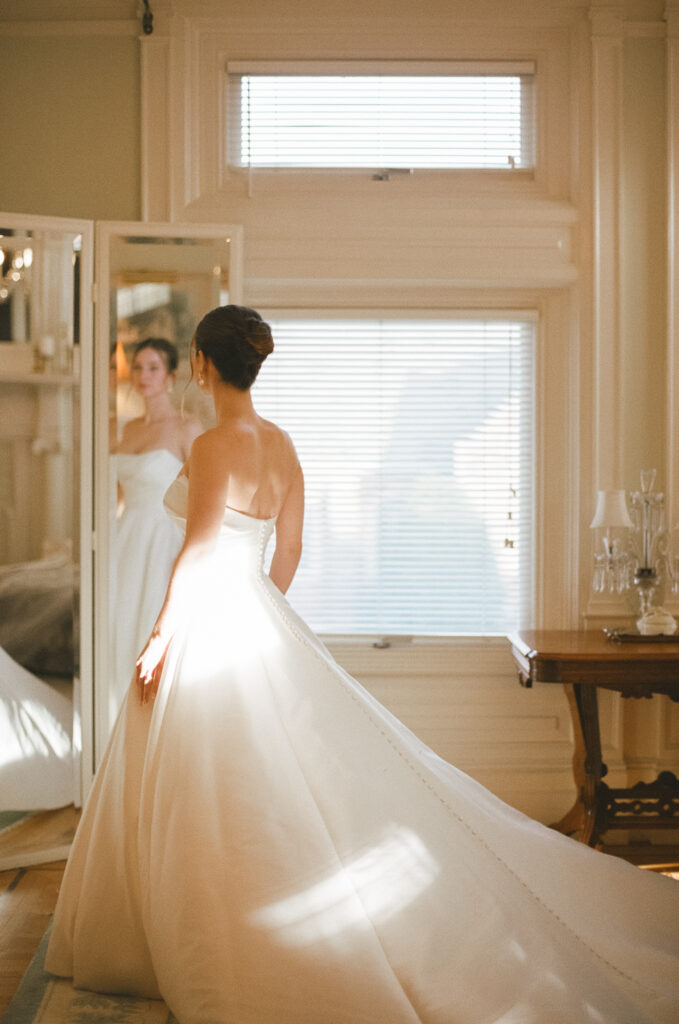
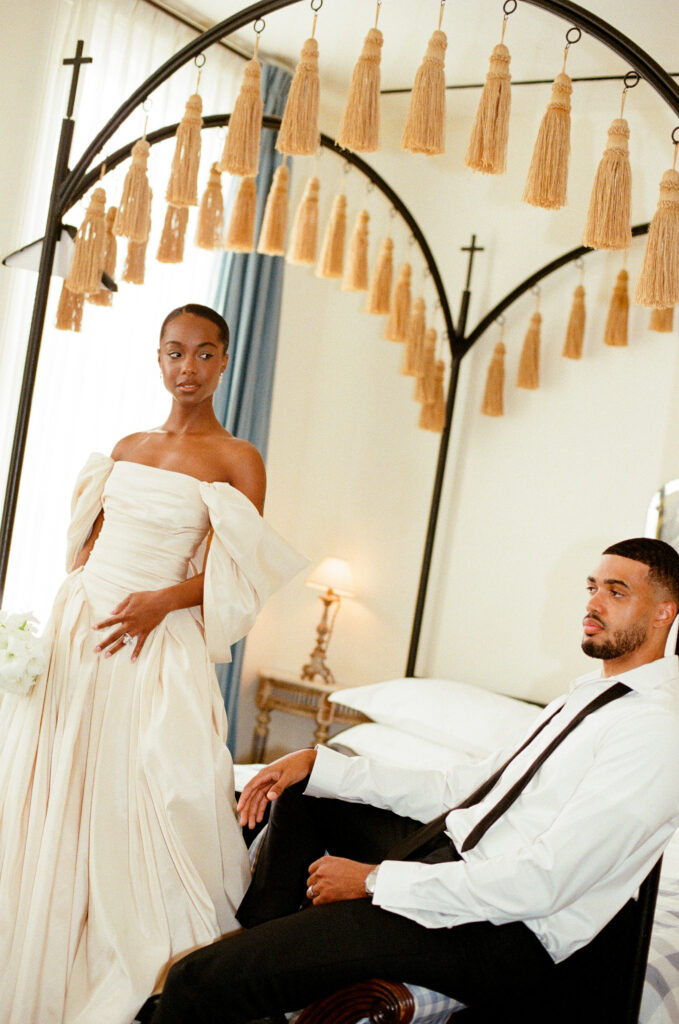
As a Gen Z, I know we are all about the vibes of a photo. The vibes that film brings to wedding photography is unmatched. It’s technically untouched by digital influence creating something real and raw. I like to use film in my wedding photography as a supplement to digital photography. Big moments on digital, the in between on film. Maybe one day an entire wedding on film. I think that creates something real special.
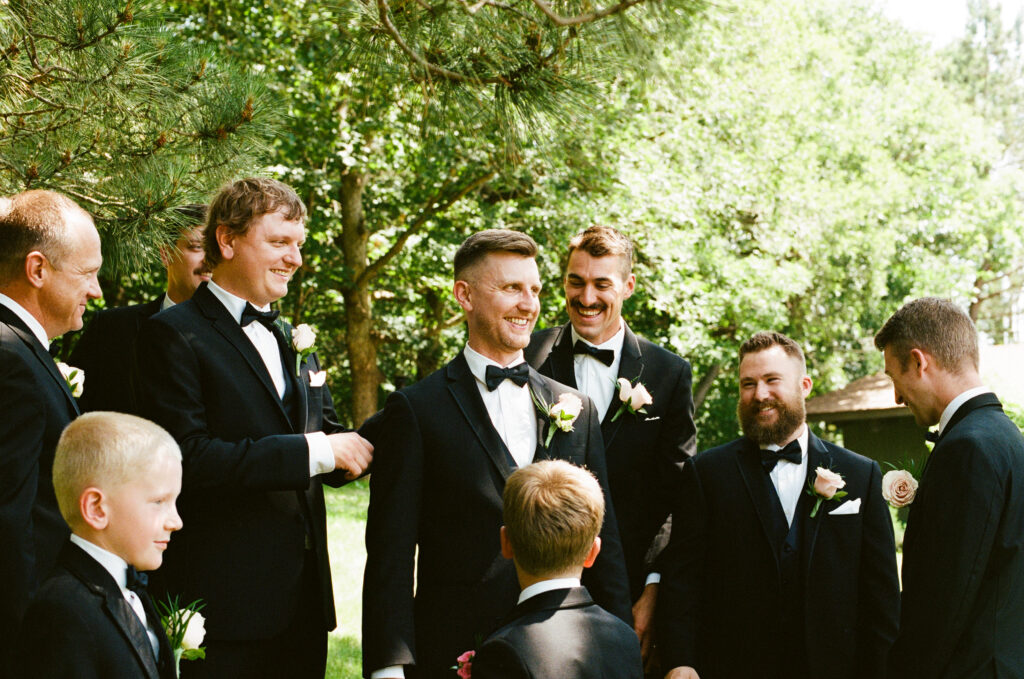
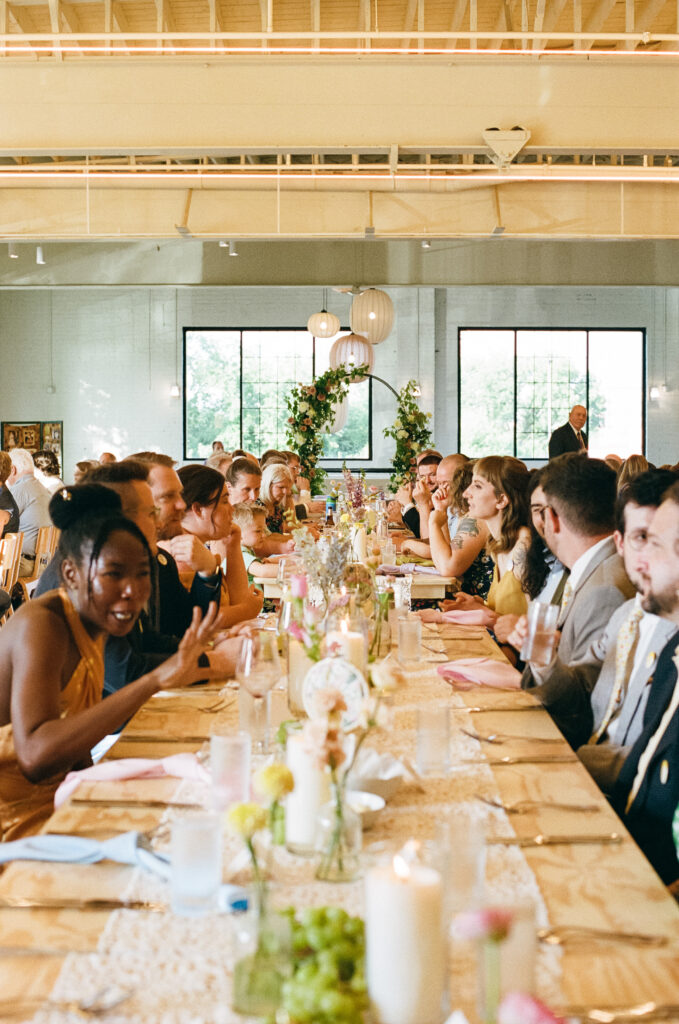
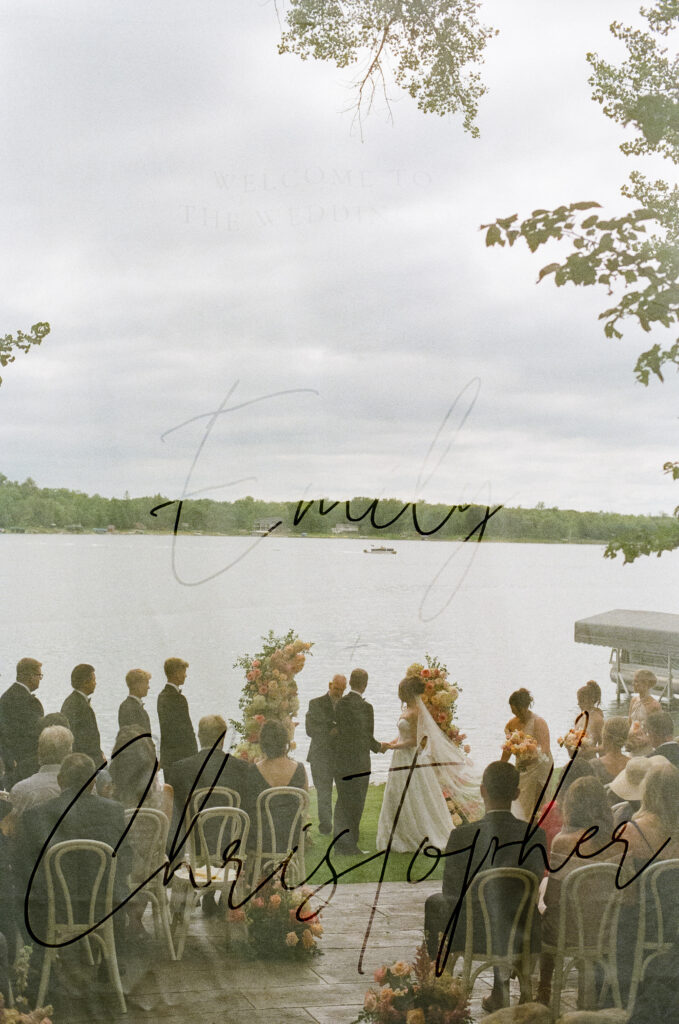
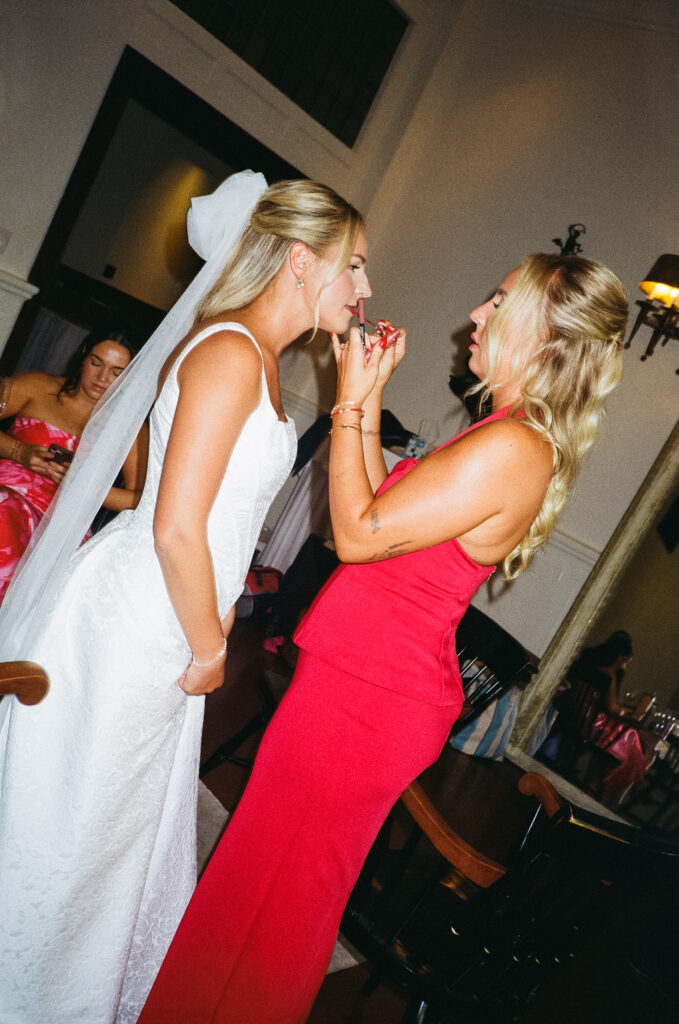
If you are interested in another comparison of digital and film wedding photography, check out this blog of Natalie and Trip’s wedding. If you are interested in learning more about the history of film here’s a great article.
Looking for a film wedding photographer and are interested in my work? Submit and inquiry here.


Be the first to comment